 Free CAD before you commit
 222 engagement designs
 269 necklaces & pendants
 Matched pairs from stock
 18 years under one roof
Bridal
Custom Engagement Rings
Drawn around the stone you have — or the one we source for you.
An engagement ring is the hardest piece to get right because it is worn every day and looked at from every angle. The face has to work, and so does the profile — the view you see on your own hand, which is the one most renders never show.
The three decisions that matter
1. The center stone
Shape first, size second. A 7.5 mm round and a 9×7 mm oval read completely differently on the same hand, and the oval will look larger for the same carat weight. If you already have a stone, its millimeter dimensions decide the entire mounting.
2. The head
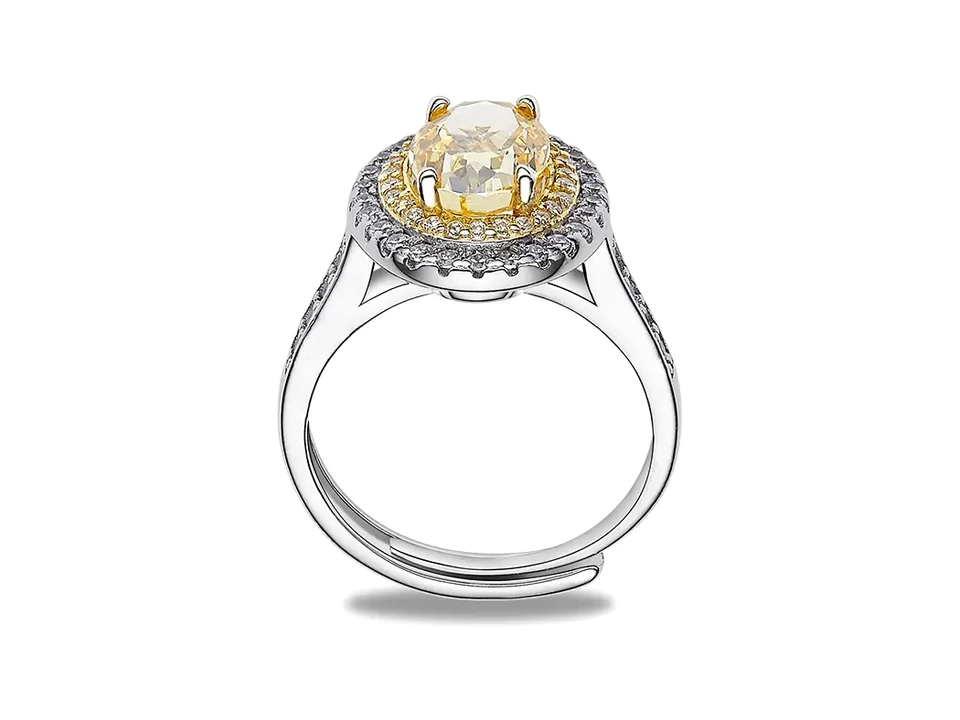
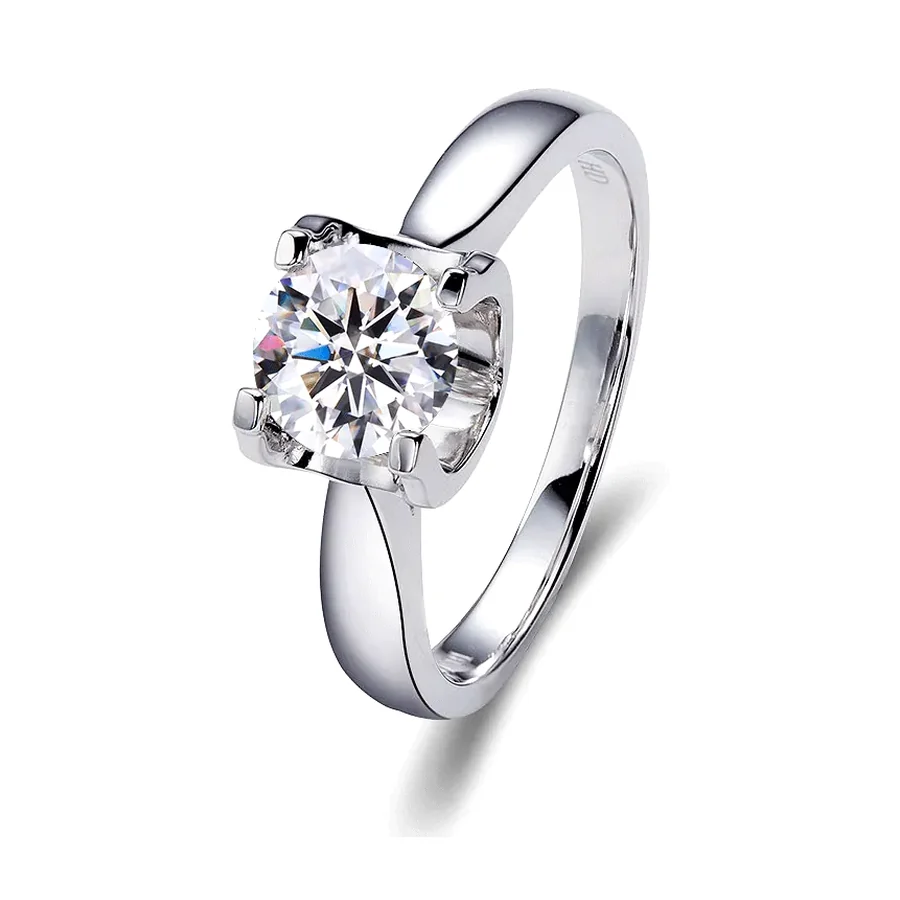
Four prongs show more of the stone; six hold it more securely. A bezel protects the girdle and lowers the profile but hides more of the edge. A halo adds visual size but must be set below the center stone’s table, or the ring reads flat from the side.
3. The shank
1.5 mm is delicate and will bend; 2.2 mm is durable and still elegant; 3 mm reads as a men’s band. Shoulders can taper, split, or stay straight. This is where most budget is spent or saved, because it is where most of the metal is.
What we can change on any design
Metal and karat, center stone type and size, setting style, band width and profile, finish, and engraving. If you want a different center shape, we redraw the head rather than forcing the stone into an existing seat.
Typical lead time
12–18 business days after CAD approval, including casting, setting and QC. If you are working to a proposal date, tell us at enquiry stage — we will be honest about whether it is achievable rather than accepting the order and missing it.
Budget guidance
Metal weight is the most controllable cost. A 2 mm band in 14K uses roughly half the gold of a 3 mm band in 18K, and the difference is invisible from the top. We will show you both options in the quote rather than defaulting to the more expensive one.
How do I measure my ring size at home?+
Measure the inside diameter of a ring that fits, in millimeters, and match it to the chart on our size guide. The paper-strip method works too but is less accurate.
Should I size up for a wide band?+
Yes. Bands 6 mm and wider usually need about half a size more, because they cover more of the finger and have less room at the knuckle.
What if my knuckle is wider than my finger?+
Size for the knuckle and accept slight rotation, or ask about a hinged shank. Sizing to the base will produce a ring you cannot put on.
Can you make half and quarter sizes?+
Half sizes are standard. Quarter sizes are available on request with a small surcharge below US 4 and above US 13.
My partner’s size is a surprise. What do I do?+
Borrow a ring they wear on that hand. If there is nothing to borrow, order a common size (US 6 or 7) and plan a free resize — the first one is included.