 Free CAD before you commit
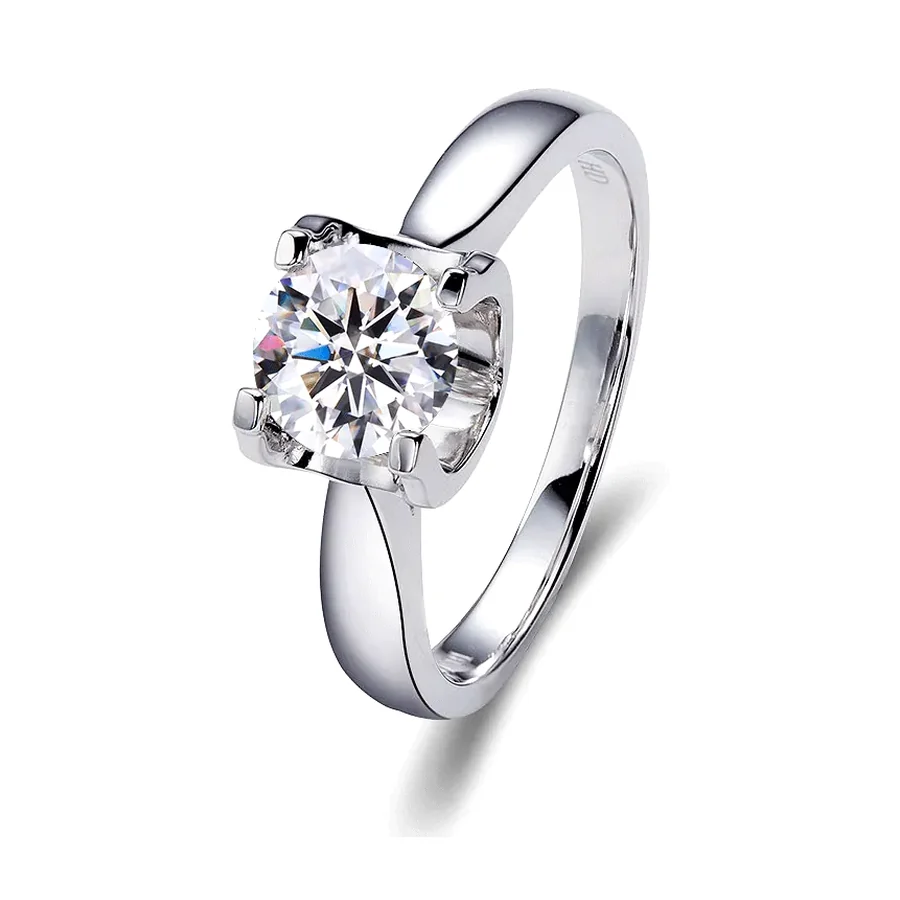 222 engagement designs
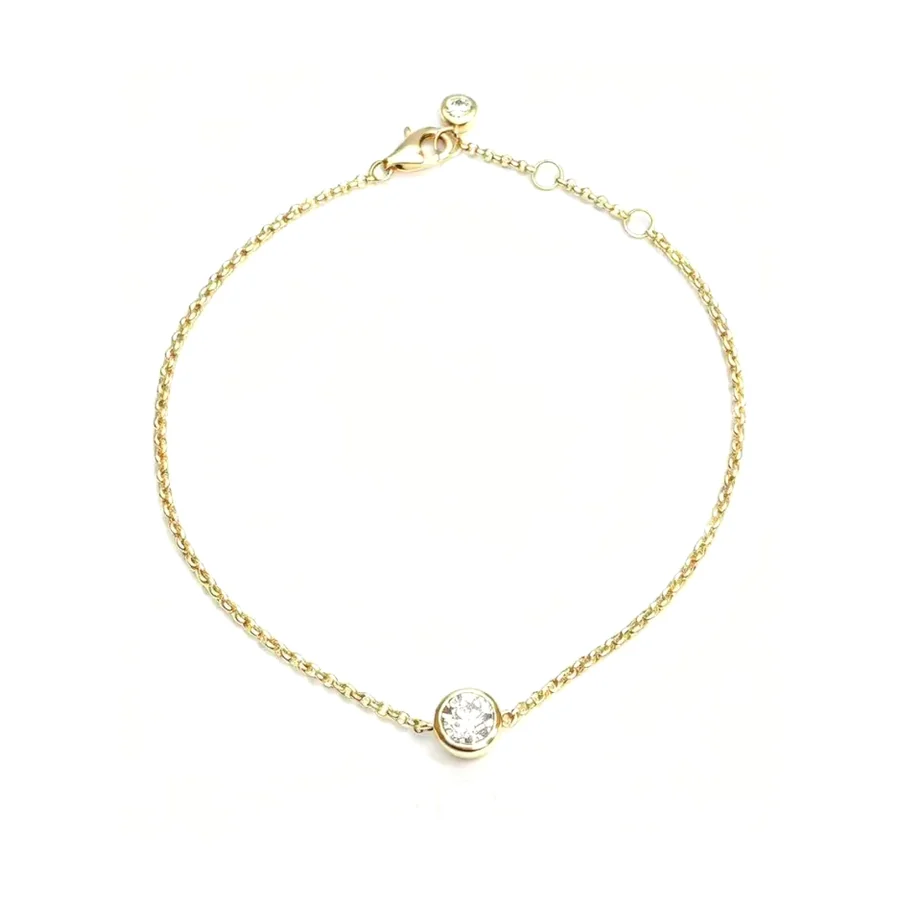 269 necklaces & pendants
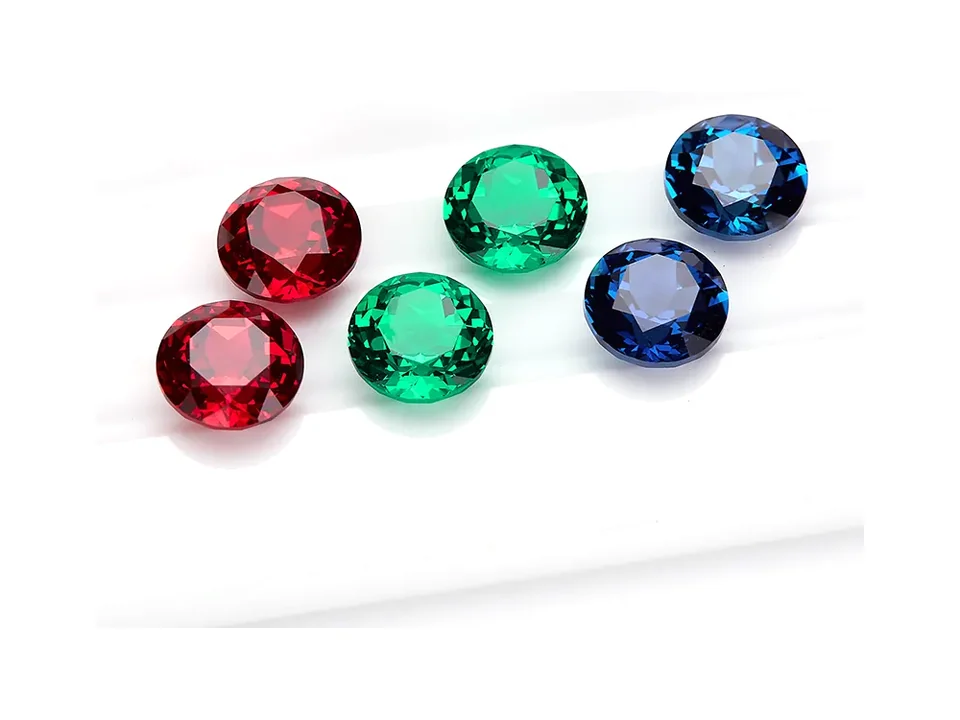 Matched pairs from stock
 18 years under one roof

Buying from another country means dealing with three sizing systems that do not convert cleanly. The only reliable number is the inside diameter in millimeters.
Why the systems disagree
US sizes are based on a fraction of an inch of circumference, UK sizes are letters with half-steps, and EU sizes are the circumference in millimeters rounded to the nearest whole number. Rounding alone can put you between sizes.
The conversion table
| US | UK | EU | Inside diameter |
|---|---|---|---|
| 4 | H | 47 | 14.9 mm |
| 5 | J½ | 49 | 15.7 mm |
| 6 | L½ | 52 | 16.5 mm |
| 7 | N½ | 54 | 17.3 mm |
| 8 | P½ | 57 | 18.1 mm |
| 9 | R½ | 59 | 18.9 mm |
| 10 | T½ | 62 | 19.8 mm |
Measure the ring, not the finger
If you are converting an existing ring, measure its inside diameter with a ruler or calipers and match the millimeter column. That bypasses all three systems and their rounding.
Wide bands and comfort fit
Bands 6 mm and wider need about a half size more than the chart suggests. Comfort-fit interiors feel looser, which some people mistake for needing a smaller size — do not size down on a wide band.
Half and quarter sizes
We make half sizes as standard. Quarter sizes exist in US systems but not in EU systems, which is why a "US 6.25" order from Europe often becomes a custom mandrel job. Tell us the millimeter diameter and we will make it.
When in doubt
Order the larger size. Taking a ring down half a size is routine; taking it up on a pavé or eternity band is not, and on some designs it is impossible without a remake.